
Buying a Milton Luxury Home? Verify These 5 Permit Records Before Closing

The short answer: before you close on a Milton luxury home, compare the property’s visible improvements with City of Milton permit records, confirm that required inspections were completed, and ask for supporting documents for pools, finished basements, decks, additions and accessory structures. A beautiful renovation is not the same thing as documented approval.
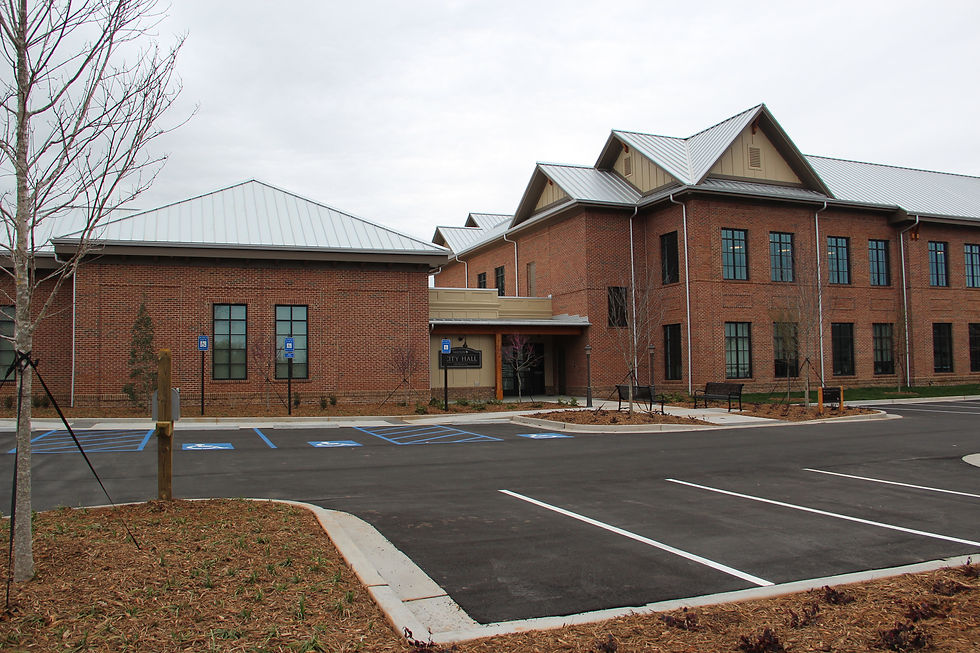
Why permit records belong in your due diligence
Milton’s current residential building guidance says permits are generally required for new homes, additions and renovations, finished basements and attics, decks, garages, kitchens involving structural work, detached accessory structures, and changes to plumbing, electrical or HVAC systems. That makes permit history especially relevant for larger properties where several improvements may have been added over time.
A permit does not guarantee that every component is in perfect condition. It is one record in a broader review that should also include inspections, disclosures, title work, surveys, insurance and any specialist evaluations appropriate to the property.
1. Match the improvements you can see to the permit history
Walk through the home with a simple question: what appears newer or added? Compare finished lower levels, expanded kitchens, bedrooms, garages, decks, guest houses, pool houses and other detached structures with available records. The City of Milton states that building and renovation applications are handled through its CityView portal.
If an improvement is represented as permitted, ask for the permit number and final status rather than relying only on a verbal answer. If records are incomplete, use the due diligence period to determine what additional investigation is appropriate.
2. Confirm final inspections and completion documents
An issued permit and a completed permit are not the same. Milton’s building department reviews plans, issues permits and performs required inspections. For applicable work, ask whether the inspections passed and whether a certificate of occupancy or certificate of completion was issued. The city says these documents are requested through CityView or its inspection request process.
This distinction can matter when a home has a recent addition, a newly finished basement or an accessory building that is being included in the property’s value.
3. Give pools and septic systems a separate review
Pools deserve their own file. Milton maintains a specific residential pool permit process. The city also states that when a lot has a septic system or well, approval from Fulton County Environmental Health is required as part of the pool permit application. Fulton County explains that its Environmental Health program permits and inspects onsite sewage management systems in areas not served by public sewer.
For a Milton estate with a pool and septic system, ask for the pool permit and inspections, available septic records, and any approvals tied to the pool location. Then have the pool and septic systems evaluated by appropriate professionals within your contractual deadlines.
4. Review decks, additions and accessory structures carefully
Milton publishes separate checklists for residential decks, additions and accessory structures. On a luxury property, that category can include a detached garage, pool house, studio, workshop or other outbuilding. Compare the structure’s current use with the approved plans and available completion records.
Also remember that a city permit does not replace a survey, title review or private association approval. Setbacks, easements, restrictive covenants and HOA rules may present separate questions.
5. Keep the contract and specialists working together
Permit research is most useful while your purchase agreement still gives you time and options. Coordinate early with your real estate advisor, inspector, closing attorney and any engineer, pool, septic or other specialist needed for the specific property. The goal is not to turn every missing page into a crisis. The goal is to identify the facts before you inherit the responsibility.
My practical Milton buyer checklist
Search the exact address and request available permit history.
Compare additions, renovations, finished space, decks, pools and accessory structures with the records.
Verify final inspections and any certificate of occupancy or completion.
For septic or well properties, request the relevant Fulton County records and approvals.
Review surveys, title matters, HOA requirements and property condition separately.
Resolve unanswered questions before the due diligence deadline.
For more local context, read my Milton luxury real estate guide and my guide on home inspections for Atlanta cash buyers.
Sources
Planning a private Milton home search?
I help buyers evaluate the property, the location and the ownership details before making a high value decision. For a private consultation, contact Kereen Henry, Associate Broker, Keller Williams Luxury, at 404.210.1674 or info@kereenhenry.com.
This article provides general information, not legal, engineering, inspection, septic or permitting advice. Requirements and records are property specific. Verify the current facts with the appropriate government offices and licensed professionals.


Comments